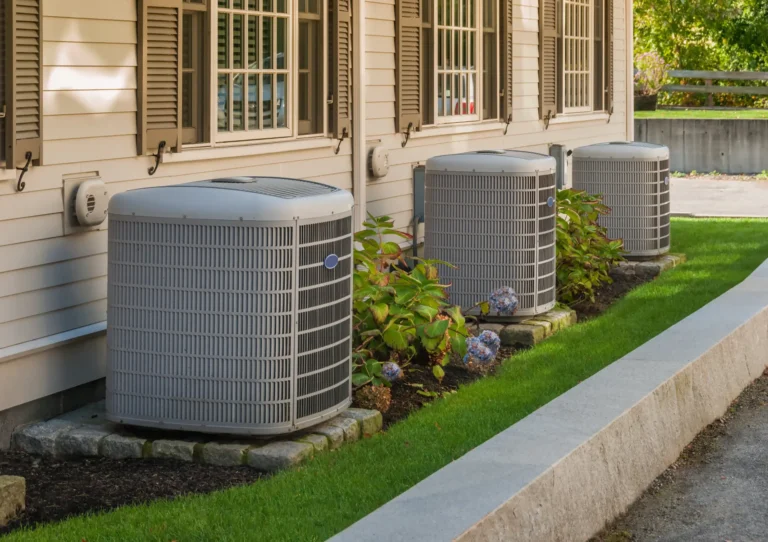

Home Emergency Kit Essentials: How Batavia Homeowners Can Prepare for Heating and Cooling Failures Before They Happen
A furnace that quits at 2:00 a.m. in January or an air conditioner that stops during a July heat wave does not give advance warning. The temperature inside your home can drop below safe levels within a few hours in winter, and interior heat can climb quickly in summer, especially in homes with large windows or poor insulation. The single most effective step you can take is to assemble a dedicated emergency kit before a failure occurs, so you are not searching for supplies in the dark or in extreme temperatures. At Comfort Care Services, Inc., we have handled heating and cooling emergencies across Batavia, IL and the surrounding communities since 2012, and we built this guide from what we see when equipment fails without warning.
Preparation is not about replacing professional repair. It is about buying yourself time, protecting your household, and preventing a single equipment fault from turning into frozen pipes, spoiled food, or a health risk. The items below are organized in the order you should assemble them, starting with the supplies that address immediate safety and moving toward tools that help you communicate with a technician.
Core Supplies to Assemble First
The first tier of your kit addresses the two most urgent problems during an HVAC failure: holding body temperature and keeping light and information available. In winter, the goal is to retain heat in a single room rather than trying to warm the whole house. In summer, the goal is to reduce heat gain and keep air moving. These items are inexpensive, compact, and should be stored together in one labeled container that every member of your household can find.
- Thermal blankets and insulated sleeping bags: Choose products rated for low temperatures and store enough for every person in the home. Wool and synthetic fleece hold warmth even when slightly damp.
- Battery-powered or hand-crank radio: This keeps you informed about weather conditions and local emergency notices if cell service or power is interrupted.
- LED flashlights and a supply of fresh batteries: Avoid candles when possible, since open flames add a fire risk during an already stressful situation.
- Portable battery packs: A charged power bank lets you keep a phone working so you can reach a technician and receive updates.
- Bottled water and non-perishable food: A three-day supply per person covers the window needed for most emergency service and repair work.
Rotate the perishable items in this kit twice a year. A simple routine is to inspect and refresh batteries, water, and food when you change your clocks in spring and fall. That same seasonal check is a good time to confirm your heating system is ready for winter and your cooling system is ready for summer.
Tools That Help You Diagnose and Communicate
The second tier of your kit helps you determine whether you are facing a minor issue you can resolve yourself or a true failure that requires a trained technician. Many service calls we receive begin with a problem that a homeowner could identify with a few basic tools. Having these on hand speeds up the conversation when you call for help and lets our team arrive with the right parts.
- A digital thermometer: Track how quickly the indoor temperature is changing. This tells you how much time you have and gives us useful data over the phone.
- Spare air filters in your system’s exact size: A clogged filter can cause a system to overheat and shut down. Replacing it is often the fastest fix.
- A written record of your equipment: Note the furnace and air conditioner brand, model number, and installation date. This helps us check warranty coverage and bring correct components.
- A clearly posted emergency contact list: Include the number for Comfort Care Services, Inc. We provide 24 hour service, so you reach a real response any hour of the day or night.
- A basic fuse and breaker guide for your home: Knowing which breaker controls the furnace or air handler lets you safely reset a tripped circuit before assuming the worst.
Checking the Simple Causes Before You Panic
Before you treat a comfort failure as a full breakdown, walk through the common and harmless causes. Confirm the thermostat is set correctly and has working batteries. Check that the furnace switch, which looks like a standard light switch near the unit, is in the on position. Inspect the breaker panel for a tripped circuit. Verify the filter is clean. For gas furnaces, confirm the gas supply is on. These five checks resolve a meaningful share of the calls we see, and completing them yourself can restore comfort in minutes.
When these steps do not solve the problem, stop there. Repeatedly resetting a breaker or relighting a pilot can mask a dangerous fault. That is the point to call a professional. Our NATE-certified technicians are trained to diagnose electrical, mechanical, and combustion issues safely, and as a Bryant Factory Authorized Dealer, Comfort Care Services, Inc. meets exacting standards for technical training and customer satisfaction.
Why Prevention Reduces Emergencies
The most reliable emergency kit is the one you rarely need, and regular maintenance is how you get there. Most sudden failures trace back to conditions that are visible during a seasonal tune-up: worn igniters, failing capacitors, low refrigerant, cracked heat exchangers, and restricted airflow. Addressing these during a scheduled visit costs far less than an emergency repair and protects your household from losing heating or cooling at the worst moment.
We serve Batavia, IL along with Aurora, St. Charles, Geneva, North Aurora, and West Chicago, offering heating, cooling, and air quality services backed by experienced technicians. Build your kit, run your seasonal checks, and keep our number posted. When equipment does fail, you will already be prepared, and Comfort Care Services, Inc. will be ready to restore your comfort quickly.